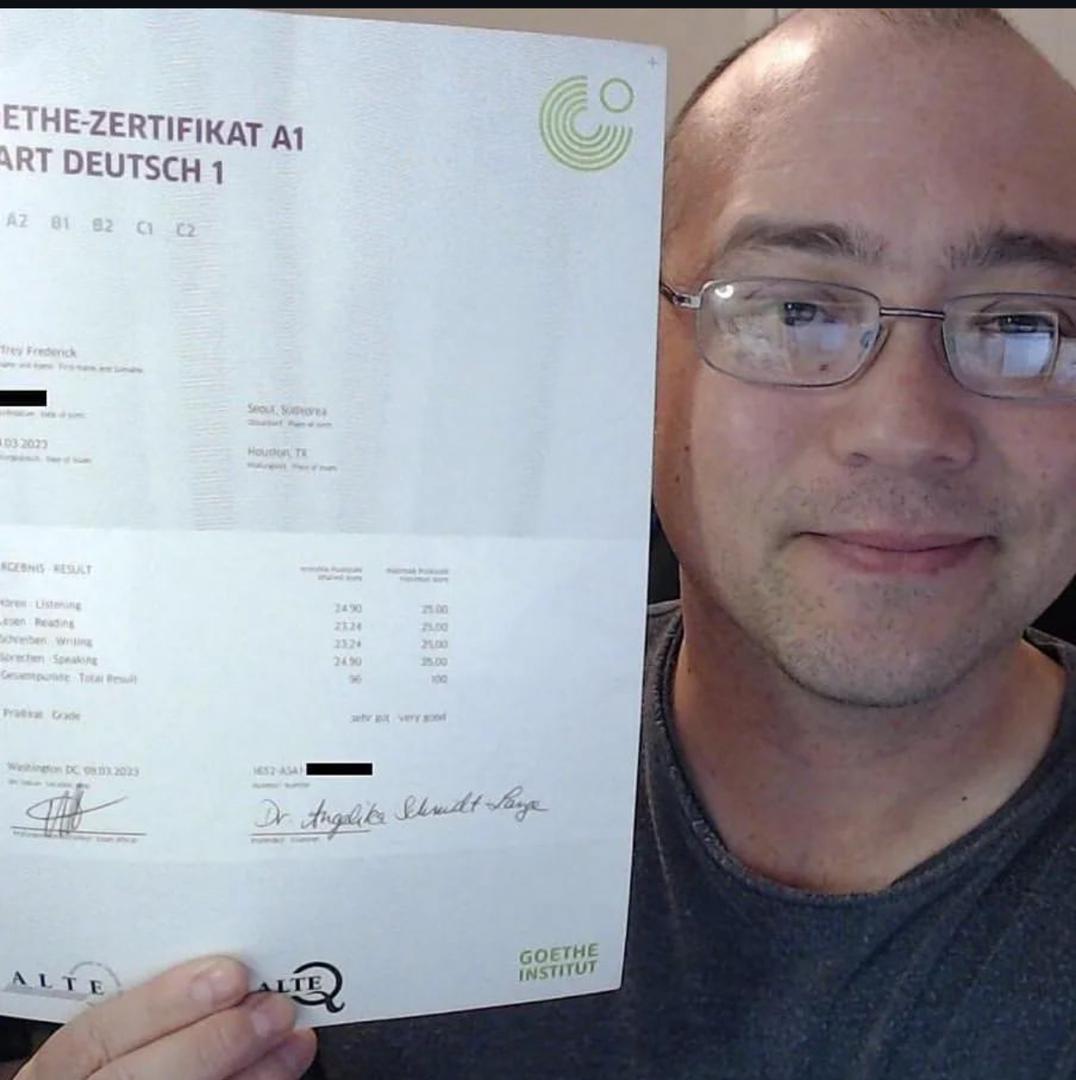
Goethe Certificates: A Comprehensive Guide to German Language Proficiency
In the world of worldwide education and professional development, language proficiency certificates play a critical function in verifying one's skills and opening doors to new opportunities. Amongst the most highly regarded and commonly recognized accreditations in the German language are the Goethe Certificates. Called after the popular German poet and polymath Johann Wolfgang von Goethe, these certificates are created to examine and certify the German language abilities of non-native speakers. This post provides a comprehensive summary of the Goethe Certificates, including their levels, structure, benefits, and the procedure of obtaining them.
What Are Goethe Certificates?
Goethe Certificates, also called the "Goethe-Zertifikat," are internationally recognized German language proficiency tests provided by the Goethe-Institut, a cultural company that promotes the German language and culture worldwide. The certificates are based upon the Common European Framework of Reference for Languages (CEFR), which divides language efficiency into six levels: A1, A2, B1, B2, C1, and C2. Each level represents a particular set of language skills and proficiencies.
Levels of Goethe Certificates
A1: Breakthrough
- Description: At this level, candidates can comprehend and utilize familiar daily expressions and very standard phrases aimed at the fulfillment of needs of a concrete type. They can present themselves and others and can ask and answer questions about individual information such as where they live, individuals they understand, and things they have.
- Test Format: The A1 exam includes reading, writing, listening, and speaking areas.
A2: Waystage
- Description: Candidates at this level can understand sentences and regularly used expressions associated to areas of most instant significance (e.g., personal and household information, shopping, regional geography, employment). Goethe B1 Online can communicate in basic and regular jobs needing an easy and direct exchange of details on familiar and regular matters.
- Test Format: The A2 exam consists of reading, writing, listening, and speaking sections.
B1: Threshold
- Description: At this level, prospects can comprehend the bottom lines of clear standard input on familiar matters regularly experienced in work, school, leisure, etc. They can handle most scenarios likely to emerge while taking a trip in an area where the language is spoken and can produce basic linked text on subjects that are familiar or of personal interest.
- Test Format: The B1 exam covers reading, writing, listening, and speaking sections.
B2: Vantage
- Description: Candidates at this level can understand the primary concepts of complex text on both concrete and abstract subjects, consisting of technical discussions in their field of expertise. They can engage with a degree of fluency and spontaneity that makes regular interaction with native speakers rather possible without strain for either celebration.
- Test Format: The B2 exam consists of reading, composing, listening, and speaking sections.
C1: Effective Operational Proficiency
- Description: At this level, prospects can understand a large range of requiring, longer texts and acknowledge implicit meaning. They can reveal themselves with complete confidence and spontaneously without much obvious looking for expressions and can utilize language flexibly and successfully for social, scholastic, and expert purposes.
- Test Format: The C1 exam includes reading, writing, listening, and speaking sections.
C2: Mastery
- Description: Candidates at this level can comprehend with ease essentially whatever they hear or check out. They can summarize info from different spoken and written sources, rebuilding arguments and accounts in a coherent discussion. They can express themselves spontaneously, extremely fluently, and precisely, separating finer shades of meaning even in more complex situations.
- Test Format: The C2 exam includes reading, writing, listening, and speaking sections.
Advantages of Goethe Certificates
Expert Advancement
- Job Opportunities: Many worldwide companies and companies need or choose candidates with certified German language skills, specifically in countries where German is spoken.
- Profession Development: Goethe Certificates can boost one's resume and open doors to higher-level positions and better career prospects.
Academic Pursuits
- University Admissions: Many German universities and scholastic organizations need Goethe Certificates for admission to undergraduate and graduate programs.
- Scholarships and Grants: Some scholarships and grants for research study in Germany or German-speaking countries might need a Goethe Certificate as evidence of language proficiency.
Individual Growth
- Cultural Understanding: Learning German and getting a Goethe Certificate can deepen one's understanding of German culture and history.
- Travel and Communication: Proficiency in German can enhance travel experiences and help with communication in German-speaking nations.
How to Prepare for Goethe Certificates
Register in a German Language Course
- Structured Learning: Enroll in a German language course at a language school, university, or online platform to get structured and comprehensive instruction.
- Practice Regularly: Consistent practice is key to improving language abilities. Take part in routine reading, writing, listening, and speaking workouts.
Usage Online Resources
- Language Apps: Utilize language finding out apps like Duolingo, Babbel, or Rosetta Stone to practice German on the go.
- Online Courses: Take advantage of totally free online courses and resources offered by the Goethe-Institut and other respectable sources.
Practice with Mock Exams
- Acquaint Yourself with the Format: Take practice tests and mock examinations to familiarize yourself with the format and kinds of concerns.
- Time Management: Practice time management abilities to guarantee you can finish each section within the allocated time.
Sign Up With Study Groups
- Peer Learning: Join study hall or language exchange programs to practice speaking to native speakers and other students.
- Feedback and Support: Receive feedback and support from peers and trainers to improve your language abilities.
Frequently Asked Questions (FAQs)
Q: What is the age requirement for taking a Goethe Certificate exam?
- A: There is no particular age requirement for taking a Goethe Certificate exam. However, the Goethe-Institut offers various examinations for kids and teenagers, such as the Goethe-Zertifikat A1: Start Deutsch 1 and the Goethe-Zertifikat A2: Start Deutsch 2.
Q: How typically are Goethe Certificate tests provided?
- A: Goethe Certificate tests are offered multiple times throughout the year at different test centers all over the world. The precise dates and locations can be found on the Goethe-Institut's main site.
Q: How long does it take to get the outcomes?
- A: The outcomes for Goethe Certificate exams are normally readily available within 4-6 weeks after the test date. However, this can vary depending upon the level and place.
Q: Can I retake the exam if I do not pass?
- A: Yes, you can retake the Goethe Certificate exam as lot of times as required until you achieve the desired level of proficiency. However, you may need to await the next arranged exam date.
Q: Are Goethe Certificates acknowledged internationally?
- A: Yes, Goethe Certificates are globally recognized and are commonly accepted by universities, companies, and government firms worldwide as proof of German language proficiency.
Goethe Certificates are a valuable asset for anybody looking to demonstrate their proficiency in the German language. Whether for professional improvement, scholastic pursuits, or personal growth, these certificates provide a standardized and internationally recognized measure of language skills. By comprehending the levels, preparing successfully, and making the most of the resources available, candidates can effectively attain their language objectives and open new doors of chance.
For more details and to find a test center near you, check out the official Goethe-Institut website.